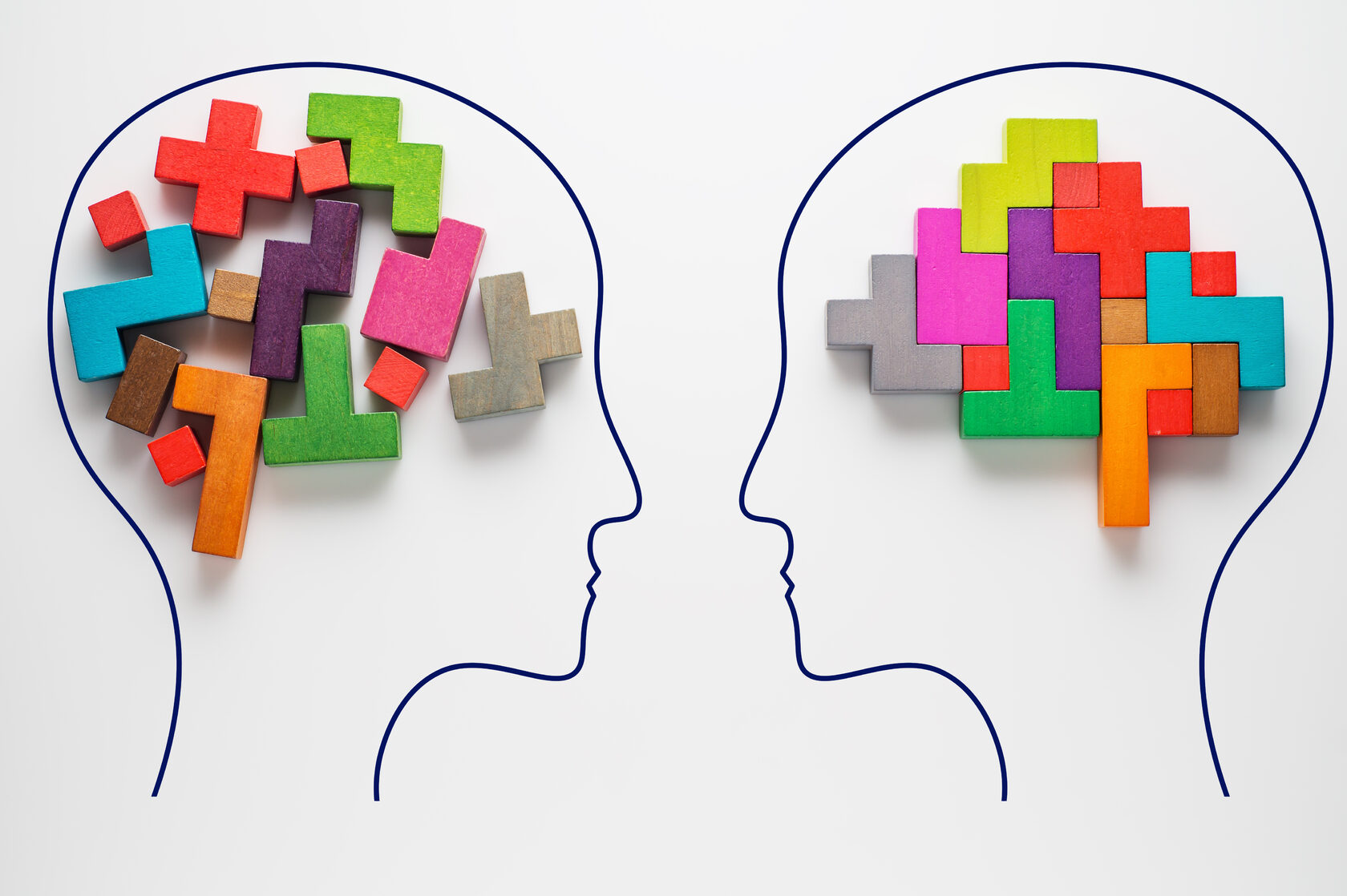
Many associate design thinking with sketching, prototyping, or refining new products. Though it has transformed product development, its real strength lies in creating experiences, services, and business processes that encourage collaboration and shared value.
Organizations that use design thinking for value co-creation, not just product design, truly stand out. This mindset transforms experiences, processes, and collaboration.
Designing Experiences, Not Just Products
A great product is defined by user interaction, not just features. For example, a high-tech bicycle rental service can't solely rely on sleek and durable bikes. The overall experience is crucial in delivering value.
- How easy is it to find a bike?
- How seamless is the rental process?
- What happens if a user encounters an issue mid-ride?
These touchpoints define the user experience, and design thinking ensures they are intentionally crafted to be intuitive, enjoyable, and efficient. A company like Apple doesn’t just design products; they design experiences. Every detail—from unboxing an iPhone to the smoothness of scrolling—feels meticulously designed because it is.
The same principle applies to services. Airbnb didn’t just create a booking platform—they designed an experience that makes travelers feel like locals in any city. By emphasizing empathy, iteration, and user feedback, they crafted a service that resonates deeply with customers.
The lesson? A great product alone isn’t enough. If the experience surrounding it isn’t frictionless, engaging, and meaningful, its value diminishes.
Co-Creation: Designing With Users, Not Just for Them
Traditionally, businesses would develop solutions internally and then introduce them to users. But what if users were involved from the very beginning? That’s where value co-creation through design thinking becomes a game changer.
Let’s say a company is rolling out a new internal software tool for employees. If the IT department builds it in isolation, they might deliver something functional—but not necessarily user-friendly. Now, imagine if they:
- Conducted empathy interviews with employees to understand pain points
- Created prototypes and tested them with real users
- Iterated based on direct feedback before launching
The result? A tool that employees want to use, because it was built with their needs in mind. This isn’t just product design—it’s process design.
IBM is a great example of this. They host design thinking workshops where developers, designers, and even customers collaborate in real time. By including end-users in the creative process, they ensure that the final product isn’t just functional, but valuable.
Design Thinking as a Competitive Advantage
Think about it this way: If you’re only designing standalone products without considering the full ecosystem of experience and engagement, you’re playing checkers—reacting to immediate needs. But if you’re using design thinking to anticipate challenges, improve interactions, and create seamless experiences, you’re playing chess—strategizing several moves ahead.
Companies that understand this aren’t just creating things—they’re shaping impact. They don’t just deliver value; they co-create it.
Key Takeaways:
- Design thinking isn’t just for physical products—it’s a framework for crafting better experiences and interactions.
- The most successful solutions aren’t just made for users; they’re built with users through continuous feedback and iteration.
- Businesses that apply design thinking beyond product development gain a significant competitive edge in customer satisfaction, loyalty, and long-term success.
So, the next time you’re designing a product, service, or process, ask yourself: Am I just creating something, or am I co-creating an experience that truly delivers value?
What are your thoughts on design thinking beyond product development? Have you seen examples of successful value co-creation?
